Skip to content



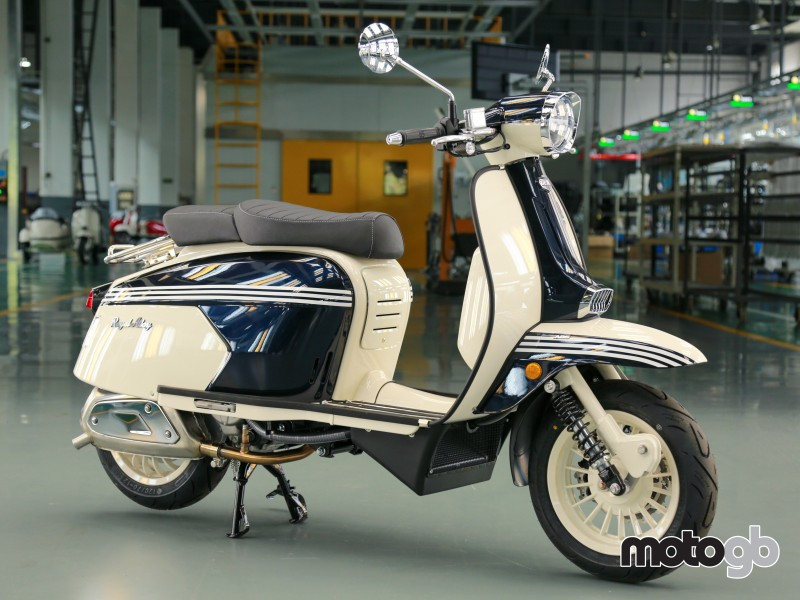
It starts like any other sporty Brisbane day. You step out of your favourite café, espresso still warm in hand, and admire your Vespa parked on the street. Sunlight gleams across its panel, the leather seat soft from spring’s emerging warmth. You slip on your helmet, twist the ignition, and as the tyres kiss the bitumen, something pulls you straight into annoyance, your speedometer is reading 70 when you’re clearly creeping along at 40. Not just annoying, but slightly baffling. How far off have your past rides been?
A scooter should do more than turn heads. It should perform with grace, precision, and reliability. So when something like an erratic speed reading throws off your rhythm, it’s frustrating. Whether you’re weaving through weekend traffic on James Street or cruising with mates over to New Farm, knowing how fast you’re riding isn’t just about following the rules. It’s about feeling in sync with your machine. When that sync is off, it’s time to troubleshoot. Let’s start with why your speedometer might be throwing you off in the first place.
Common Causes Of Speedometer Errors
Your speedo isn’t just there for looks. It’s a key part of how you read your ride. But when it starts misbehaving, the cause isn’t always obvious. Here are some of the more common culprits behind incorrect readings:
– Mechanical issues: Older scooters or those with kilometres on the clock can suffer from a worn speedometer cable or gear. If the needle’s bouncing strangely or frozen altogether, there’s a good chance something physical is wearing out.
– Faulty sensors: If your scooter’s speedo is digital, you’re relying on sensors to give real-time feedback. But if those sensors pick up incorrect data or falter altogether, you’ll end up with erratic readings.
– Loose or degraded wiring: Over time, wires can weaken, especially with the rougher surfaces found across parts of inner-city Brisbane. A poor connection may cause inconsistent signals between the wheel, sensor, and dash.
– Tyre size changes: Swapping tyres for a slightly different size (even unintentionally) could result in misread speeds. The speedo is calibrated based on factory specs, including tyre circumference.
– Calibration errors: This one is sneaky. Everything seems fine on the surface, yet the readings are just off. That might point to an issue with the internal programming or an older system falling out of sync.
Spotting a wrong speed reading doesn’t mean your scooter’s falling apart. But it does mean you’re due for a closer look. Brisbane’s mix of coastal humidity and patchy road terrain can quietly influence how your components behave, especially the sensitive ones. Getting ahead of it keeps your scooter riding like it should: easy, refined, and accurate.
How To Diagnose Speedometer Issues On Your Scooter
When your speedo throws up strange numbers, you don’t need to panic. But it does mean the scooter deserves a proper once-over. There’s a thoughtful way to check things before jumping to conclusions. Start small and work your way forward.
Begin with the basics. For analogue speedometers, the most common issue could be the cable. If there’s visible wear or fraying at the connection points, usually around the front wheel or hub, it might be time for a replacement. Next, check the gear at the wheel itself. Worn teeth or grime build-up can interfere with smooth rotation, leading to quirky readings up on the dash.
For scooters with digital speedometers, the story is slightly different. Sensors near the wheels send data to the display panel. Look for signs of corrosion or degraded wiring, especially connectors that might’ve been exposed to moisture or heavy vibration. If the sensor looks alright but the dash shows obvious errors, the wiring that runs up toward the instrument panel could be the weak point.
Here’s a practical list when diagnosing:
- Inspect the speedometer cable for wear, splits, or loose fittings
- Check wheel gear and housing for muck or broken plastic teeth
- Test digital sensors for snug fitment and check for visible rust or damage
- Look along the wiring harness for exposed, pinched, or cracked segments
- Observe if the issue is constant or varies based on riding speed or road surface
And while a few of these can be easy to spot, don’t go digging about unless you’re confident. Some parts sit under tightly packed panels or are connected to multi-use wiring harnesses. If you’re ever unsure, it’s smarter to have someone trained take a look. Small problems ignored end up costing more than they would’ve otherwise.
Keep Your Speedometer Running Smoothly Year-Round
Getting your speedometer to work properly isn’t a one-time fix. It requires a bit of upkeep, and it helps to know how local conditions can sneak their way into mechanical parts. Brisbane’s shifts between wet, humid spells and dry, dusty roads mean your scooter goes through more than it lets on.
Try to include a speedo check during seasonal services. Don’t just rely on whether the numbers appear on your dash screen, pay attention to whether they feel right while riding. Misjudging a speed zone because your scoot says you’re doing 45 when it’s actually 60 doesn’t just risk a fine. It changes how you ride altogether.
Spring is a good reminder for a clean-up. Dirt from summer trips and the tail end of winter grit often lingers in tight spots, right where sensor feedback happens or cables rotate. Giving those areas a look can keep readings accurate and your riding experience smoother.
For those living closer to the coast or taking the Vespa down to Kangaroo Point regularly, salt exposure’s another thing to stay alert to. Check bolts and exposed metal more often, and don’t skip out on a proper once-over if you catch rust or any electrical flickering.
Trusting A Local Scooter Shop In Brisbane To Sort It
When the readings don’t make sense and nothing obvious stands out, the next best step is to let a scooter shop in Brisbane take a look. Here’s what a properly equipped scooter service should be able to offer:
– Full inspection of mechanical and electronic speedometer systems
– Safe disassembly of panels to access hidden wiring or sensors
– Calibration support to match the speedo with your tyres and riding style
– Advice on long-term upkeep for optimal speed tracking
There’s something comforting about handing your machine over to someone who understands both the quirks of two wheels and the quirks of Brisbane roads. It’s not just about fixing a dodgy number on the display. It’s about setting things right so your scooter feels properly tuned again.
That shift from second-guessing your speed to knowing exactly where you stand adds confidence back to your ride. Whether you’re weaving through West End or heading to a riverfront dinner in Teneriffe, accurate speed on a stylish scooter makes every moment on the road feel more intuitive.
Where Style and Accuracy Meet
Scooters play such a personal role in urban life now. They’re more than just a way to get across town, they reflect your taste, your pace, your rhythm. And when small things like a speedo reading get in the way, it throws off that balance.
Brisbane’s streets were made for riders who like to mix elegance with efficiency. Handling those streets with a scooter that’s precise, well-kept, and expressive of your style adds more than comfort. It brings confidence in motion.
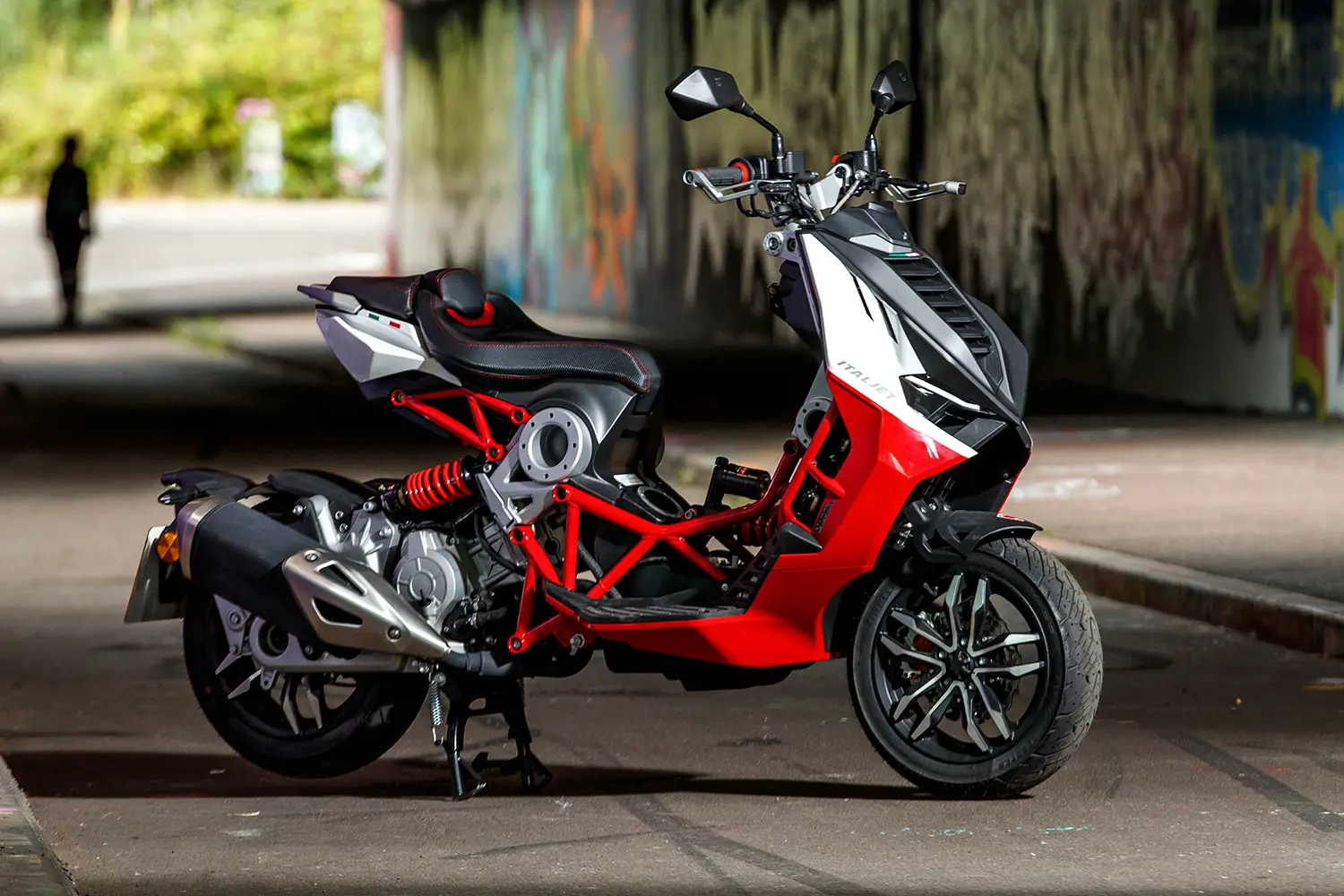
When your Vespa or Italjet is reliable to the letter, that ride from Red Hill to South Bank doesn’t demand effort. It becomes part of your day. Casual, light, stylish. Just like any good scooter ride should be. When things are tuned and ticking beautifully, you’re not just moving. You’re arriving. Quietly, confidently, unmistakably.
Whether you’re taking a scenic cruise along the Brisbane River or zipping through the CBD, a perfectly functioning speedometer is your trusted ally for a smooth ride. If your scooter needs a bit of attention, turn to a dependable scooter shop in Brisbane. Riding Road Scooters will provide the expertise needed to get your ride running just right, ensuring every journey feels as elegant as it should.