Skip to content


Scooter tyre replacement sounds simple, but when it goes wrong, it can turn a nice ride into a shaky, stressful mess. Wobbles at speed, sketchy grip in the wet, or a scooter that just feels wrong after a tyre change are all signs that something is off with the tyres or how they were fitted. Getting it right matters for your safety, your comfort, and how long those tyres actually last on Brisbane roads.
In this guide, we will walk through why tyres fail so fast here, how to spot trouble early, and what it takes to get scooter tyre replacement done properly. We will also look at some of the common fitting nightmares we fix in our workshop, so you know what to watch out for before problems turn scary.
Stop Wobbling: Fixing Scooter Tyre Headaches in Brisbane
Scooter riders around Brisbane see the same headaches again and again: a sudden flat on the way to work, the rear stepping out on wet city paint lines, or a new tyre that leaves the scooter feeling nervous in corners. It is frustrating, and it makes every ride feel a bit tense.
Scooter tyres are trickier than car tyres. Small wheels react more to bumps and potholes, and even a tiny change in pressure or balance, can be felt through the bars. The wrong fitting method or the wrong tyre for your scooter can make it feel twitchy or unstable, even if the tyre is brand new.
Good scooter tyre replacement needs more than just swapping rubber. It needs the right tools, the right tyre choice, and an understanding of how scooters handle. When that all lines up, you get smoother rides, better grip, and tyres that wear more evenly on Brisbane streets.
Why Your Scooter Tyres Fail so Fast in Brisbane
July in Brisbane still brings warm days, but mornings can be cooler with a bit of moisture on the road. Those conditions show up hidden tyre problems. You feel how hard, old rubber struggles to grip on damp roads, and how worn tread struggles with slick lane markings and manhole covers.
Local roads are not kind to scooter tyres either. You are dealing with:
- Potholes from summer storms
- Roadworks and loose gravel
- Metal plates, speed bumps and sharp edges
- Drain covers right where you need to turn or brake
All of these can cause cuts, pinch flats and sidewall damage that might not be obvious at first glance.
The real tyre killers are often small habits that add up over time:
- Running tyres under or over the recommended pressure
- Carrying a pillion or extra gear without adjusting pressures
- Parking all day in full sun, which hardens and cracks rubber
- Mixing cheap tyres with different patterns or compounds
The result is poor grip and unpredictable handling. You might notice the scooter taking longer to stop, the front end wobbling through a corner, or the tyres tramlining on painted lines. In an emergency stop, that can be the difference between pulling up cleanly and sliding a few extra metres.
Diagnosing Tricky Tyre Problems Before They Get Scary
A quick look over your tyres before you ride can tell you a lot. Get in the habit of checking:
- Tread depth, especially in the centre
- Squared-off centres that show heavy straight-line use
- Cracks in the sidewalls or around the tread blocks
- Small cuts, glass, nails or screws stuck in the rubber
- Uneven wear between left and right sides
Uneven or strange wear often points to deeper issues. It can mean a problem with your suspension, wheel alignment or even a bent rim that is putting extra stress on one part of the tyre.
You can also feel tyre problems through the scooter:
- A buzz or wobble around 40 to 60 km/h
- Vague, lazy steering when you tip into a corner
- Twitchy handling in light rain or over wet paint
- The scooter pulling to one side under braking
These symptoms are not always from the tyre itself. Sometimes the real cause is in the wheel, bearings, or suspension, and it only appears when tyres are replaced. That is why proper inspection by a scooter workshop during tyre replacement is so important.
If you ever see a bulge in the tyre, a cut that reaches the cords, or the pressure drops fast after you have just pumped it, it is time to stop riding and get it checked. Riding on a damaged tyre can lead to a blowout, which is the last thing you want in traffic.
Getting Scooter Tyre Replacement Right the First Time
When it is time for new rubber, there are a few ways riders try to sort it. Some call mobile mechanics, some roll into a car tyre shop, others try to fit tyres at home. The problem is that scooters need different tools and methods to get a safe result.
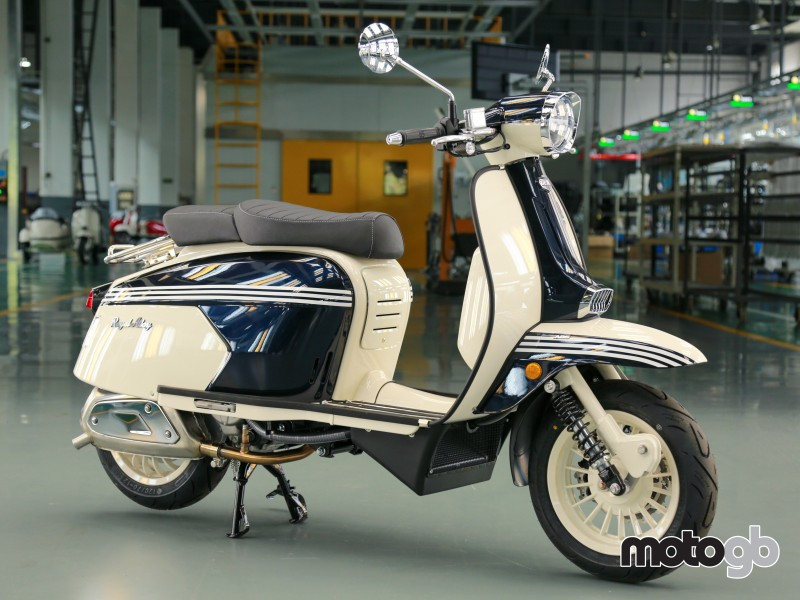
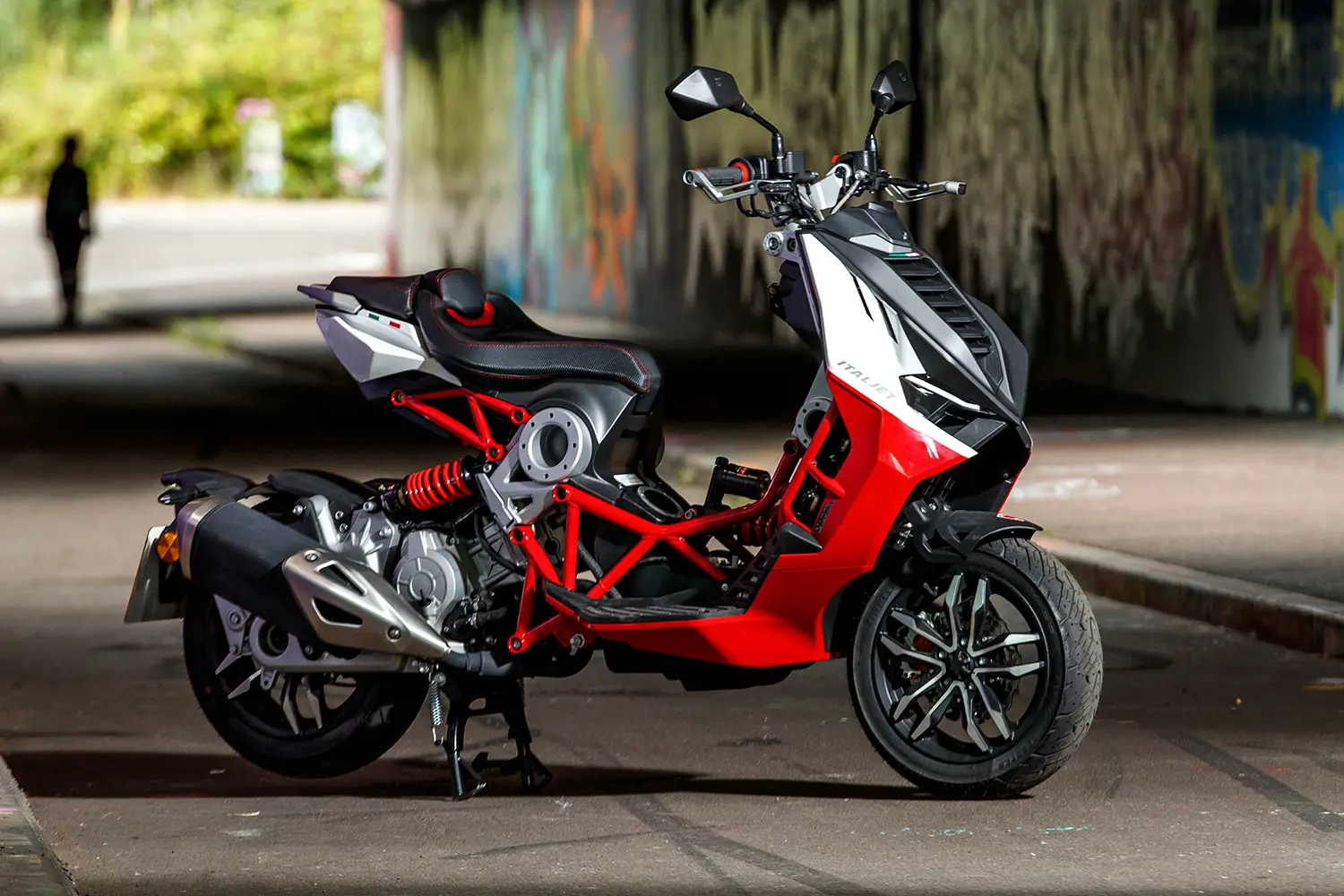
Proper scooter gear matters, especially on models like Royal Alloy or Italjet that run small-diameter wheels. A good scooter workshop will use:
- Correct bead breakers for small rims
- Rim protectors to avoid scratches and chips
- Accurate torque settings for wheel nuts and axle bolts
- Balancing setups suited to scooter wheels
Tyre choice also plays a big part in how your scooter feels around Brisbane. You might want:
- All-weather tyres for daily commuting in mixed conditions
- Sportier grip patterns for twisty weekend rides
- Tyres designed for electric scooters that handle instant torque
When tyres are replaced, it is also a perfect time for a few extra checks. A thorough workshop team will look at valve stems, wheel bearings, brake pad wear and will set up the right pressures for your usual riding, whether you ride mostly solo or often carry a pillion.
Common Fitting Nightmares and How We Solve Them
One of the biggest problems we see is tyres that will not seat properly on the rim. You get air leaks, odd bumps, or a tyre that looks slightly out of round. The fix is careful cleaning of the rim, the right lubrication, and correct pressure techniques to pop the bead into place without damaging the wheel.
Other headaches come from alignment and balance issues. If the wheel is not centred correctly or the balance is off, you feel vibration or steering wobble, especially at certain speeds. Slightly bent rims can add to this. Workshop tools for balancing and truing help bring everything back in line so the scooter tracks straight and smooth.
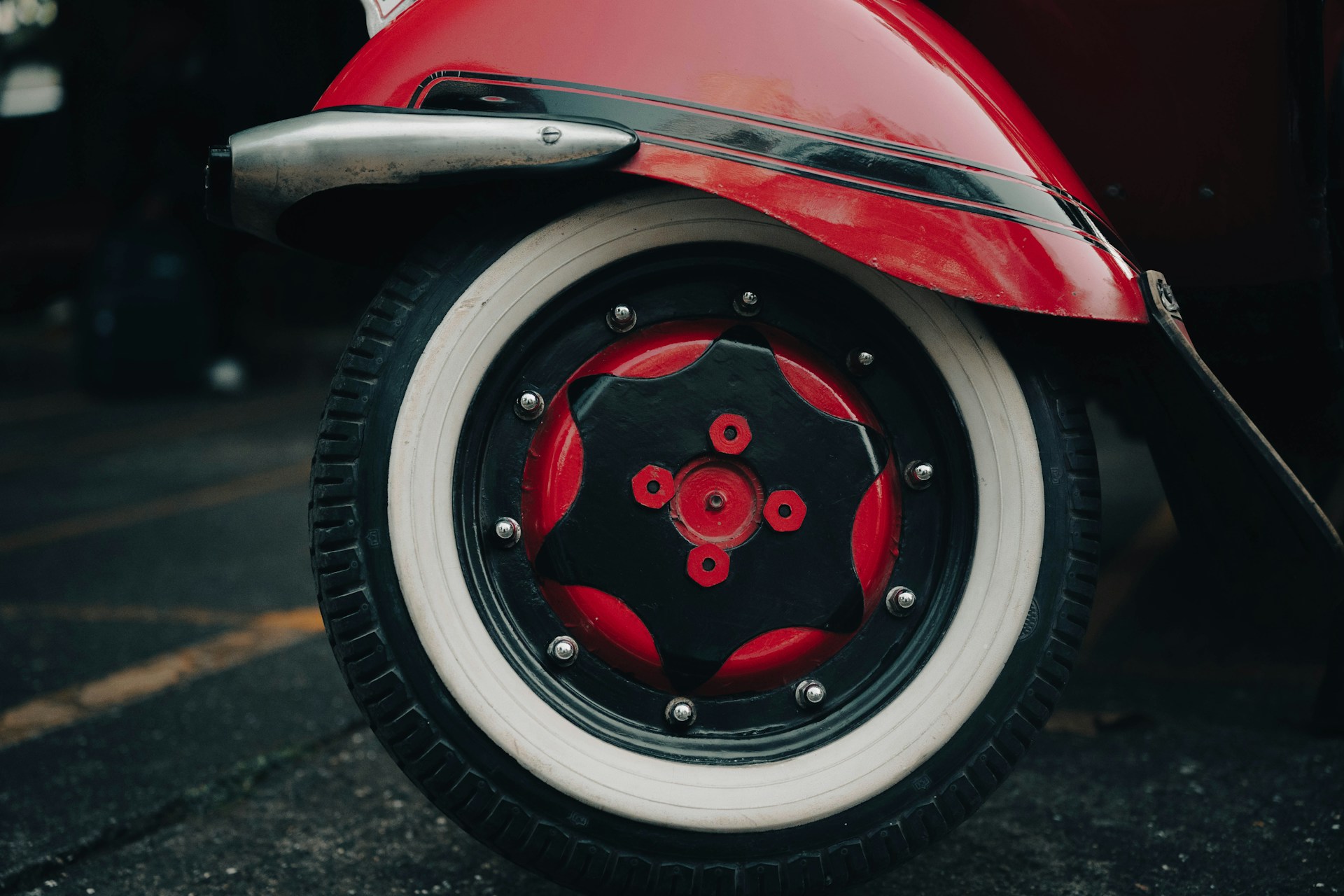
Classic style scooters like Royal Alloy and Italjet can be even trickier. Whitewall tyres mark easily, and there is often confusion around tubed versus tubeless setups. Getting the right type, keeping that retro look, and still having strong grip and predictable handling takes extra care.
At Riding Road Scooters, our workshop team keeps notes on tricky jobs and on specific models. That way, the next time that scooter comes in for tyre replacement, we already know the quirks and can make the process even smoother and faster for the rider.
Stay Upright This Winter with Better Tyre Care
Mid-year brings shorter days, damp patches on shady corners and more stop-start city traffic. Fresh, correctly fitted tyres with the right pressures make a big difference to low-speed stability, grip on painted lines and how your scooter behaves in a sudden stop.
Regular checks are simple habits that pay off. A quick monthly pressure check, a look over the tread and sidewalls, and listening to how the scooter feels at your normal cruising speed will all help catch problems early. Building a long-term relationship with a trusted local scooter shop that understands your model and your riding style means every tyre replacement gets smarter, safer and better suited to Brisbane roads.
Keep Your Ride Safe With Expert Tyre Care
If your scooter is starting to feel unsteady or your tread is wearing thin, book a professional scooter tyre replacement with Riding Road Scooters before it becomes a bigger issue. We will check your tyres, fit quality replacements and make sure everything is correctly balanced so you can ride with confidence. If you have any questions before booking, simply contact us and our team will talk you through your options.